
Twenty years ago, if you mentioned escort services in London, people would think of hidden apartments, discreet phone calls, and whispered warnings. Today, you’ll find women and men offering companionship on Instagram, LinkedIn, and even TikTok. The escort in London isn’t just surviving-it’s evolving. And that change isn’t about legality or morality. It’s about how we see connection, independence, and work.
From Shadows to Screens
The escort industry in London used to operate in the dark. Ads were printed in underground magazines. Clients found numbers through word of mouth. The risk was high-not just from police, but from stigma. If you were caught, your name could ruin your family’s reputation. That’s not how it works anymore.
Today, many escorts in London run their own businesses. They have websites with professional photos, clear service descriptions, and even testimonials. Some use payment platforms like Stripe or PayPal. Others accept cryptocurrency. They set their own hours, choose their clients, and price their time like any freelance professional. A 2023 survey by the UK Sex Workers’ Rights Collective found that 68% of independent escorts in London now manage their own branding, marketing, and bookings.
This isn’t just about technology. It’s about control. Women-mostly, but not all-are no longer waiting for someone else to give them permission to earn. They’re building portfolios, not hiding them.
Why Now? The Cultural Shift
Why did this change happen in the last decade? It’s not because laws changed. The UK still criminalizes brothel-keeping and soliciting in public. But public opinion? That shifted.
Think about how we talk about sex now. Dating apps normalized casual encounters. Podcasts like The Sex Life and books like Sex Work Is Work made space for honest conversations. Even mainstream media started covering escorting as a career choice, not a moral failure. A 2024 YouGov poll showed that 52% of Londoners under 35 believe sex work should be treated like any other freelance job.
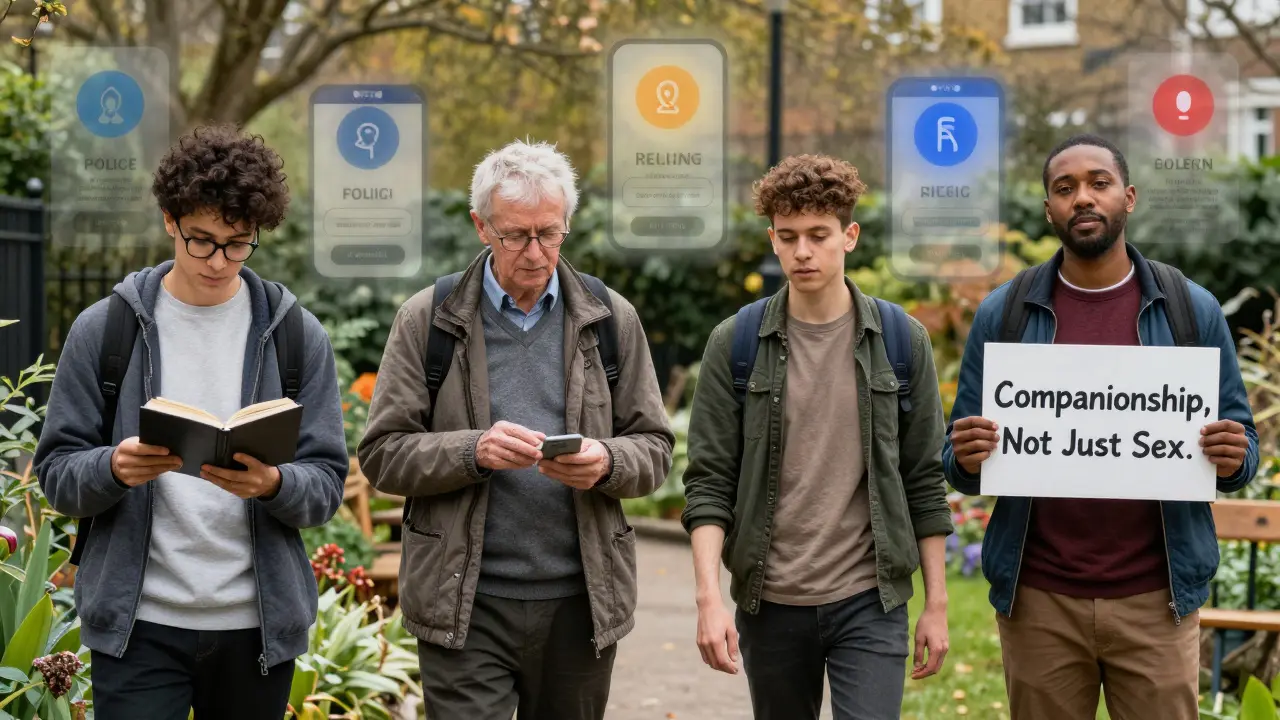
And it’s not just about sex. Many clients aren’t looking for sex at all. They’re looking for someone to talk to. Someone who listens without judgment. Someone who shows up on time and doesn’t ask for emotional labor in return. That’s companionship. And companionship isn’t illegal.
In fact, a 2024 study from the London School of Economics found that 41% of escort clients in the city cited loneliness as their primary reason for hiring. Not lust. Not impulse. Isolation.

Who Are the Escorts in London Today?
There’s no single profile. You’ll find university students paying rent with weekend gigs. Retired teachers offering cultural tours and dinner dates. Non-binary performers using escorting as a creative outlet. Single mothers building savings for their kids’ education.
One woman, who goes by the name Lena in her profiles, used to work in marketing. After her company laid her off during the pandemic, she started offering virtual companionship-reading poetry over Zoom, helping clients practice French, or just sitting quietly while they cried. She now earns more than she did in her old job. And she’s proud of it.
Another man, James, was a former theater actor. He lost his voice after an illness and couldn’t perform anymore. He started offering guided walks around London’s hidden gardens and historic pubs. His clients say he makes them feel seen. He says it’s the first job since his diagnosis that didn’t make him feel broken.
The escort in London today isn’t a stereotype. It’s a person with a story, a skill, and a boundary.
The Business Side: Risk and Reward
Let’s be clear: this work isn’t easy. There’s still danger. Some clients lie. Some get aggressive. Online harassment is common. And while platforms like OnlyFans and Patreon have made it easier to monetize, they also come with their own rules-ban policies, content restrictions, sudden account freezes.
Many escorts now use safety apps like EscortSafe or RedFlag to screen clients. They share location data with trusted friends. Some hire bodyguards for first meetings. Others only meet in public spaces like hotels with 24/7 security.
And yet, the financial rewards are real. The average hourly rate for independent escorts in London is £85-£150, depending on experience and services. Top earners make over £5,000 a month. That’s not just side income. That’s financial freedom.
Compare that to the minimum wage in the UK: £11.44 an hour. Many people working full-time jobs still struggle to pay rent in London. An escort who works 15 hours a week can earn more than someone working 40.
What’s Next? The Legal Gap
Here’s the problem: the law hasn’t caught up. In the UK, selling sex isn’t illegal. But buying it in public, organizing it, or living off the earnings is. That creates a paradox. An escort can work alone legally. But if she hires a VA to manage her calendar? That’s illegal. If she shares a flat with another escort for safety? That’s a brothel.
That’s why groups like the English Collective of Prostitutes are pushing for decriminalization-not legalization. Legalization means regulation from above. Decriminalization means removing criminal penalties and letting workers set their own terms.
Scotland is already testing a version of this. In 2024, they passed a pilot law that removes penalties for sex workers sharing premises. Early results show a 30% drop in violence and a 40% increase in reporting abuse to police.
London could be next. But until then, the escort in London walks a tightrope-between dignity and danger, between autonomy and arrest.
What This Says About Us
The rise of the modern escort in London isn’t just about sex work. It’s about how we treat people who don’t fit the mold. It’s about whether we believe someone can choose their own path-even if it’s messy, unpopular, or misunderstood.
When a woman pays for a dinner date because she’s tired of pretending she’s fine, that’s not a transaction. That’s a human need.
When a man hires someone to walk with him through Hyde Park because he’s afraid to be alone, that’s not weakness. That’s courage.
And when an escort says, ‘I’m not broken. I’m building,’ that’s not a justification. That’s a statement of fact.
We’ve changed how we see love. We’ve changed how we see gender. We’ve changed how we see money. Maybe it’s time we changed how we see work-no matter where it happens, or who does it.
Is it legal to hire an escort in London?
Yes, paying for companionship is not illegal in the UK. However, activities like running a brothel, soliciting in public, or living off the earnings of someone else’s sex work are criminal offenses. Independent escorts who work alone and set their own terms operate in a legal gray area-technically legal, but without protection.
Are most escorts in London women?
Most are, but not all. A 2024 survey by the London Sex Worker Advocacy Group found that about 82% of independent escorts in the city identify as women, 14% as men, and 4% as non-binary or gender-diverse. The industry is becoming more diverse, especially among younger workers.
Do escorts in London only offer sexual services?
No. Many offer non-sexual services: conversation, companionship, event attendance, cultural tours, language practice, or even emotional support. A 2024 LSE study found that 41% of clients cited loneliness as their main reason for hiring, not sex. The definition of "escort" is expanding beyond physical intimacy.
How do escorts in London stay safe?
Many use safety apps that share location with trusted contacts, screen clients through verified profiles, and meet in public or secure hotel rooms. Some hire bodyguards for first meetings. Others only work with clients who have been referred by other workers. Safety is a top priority, and most have strict boundaries and protocols.
Why don’t more escorts go into traditional jobs?
Many do-but not everyone has access to those opportunities. Some face barriers like lack of formal education, immigration status, past trauma, or discrimination. Others choose escorting because it offers flexibility, higher pay, and autonomy. For single parents, students, or people recovering from illness, it’s often the only way to earn enough to survive without sacrificing their health or dignity.
Is the escort industry growing in London?
Yes. Since 2020, the number of independent escorts advertising online in London has increased by over 60%, according to data from the UK Sex Work Research Network. Growth is driven by digital platforms, rising living costs, and shifting social attitudes. It’s not a fringe activity anymore-it’s part of the city’s informal economy.
What’s happening with the escort in London isn’t a trend. It’s a mirror. It shows us what happens when people are forced to survive in a system that doesn’t support them-and how they adapt with dignity, creativity, and grit.