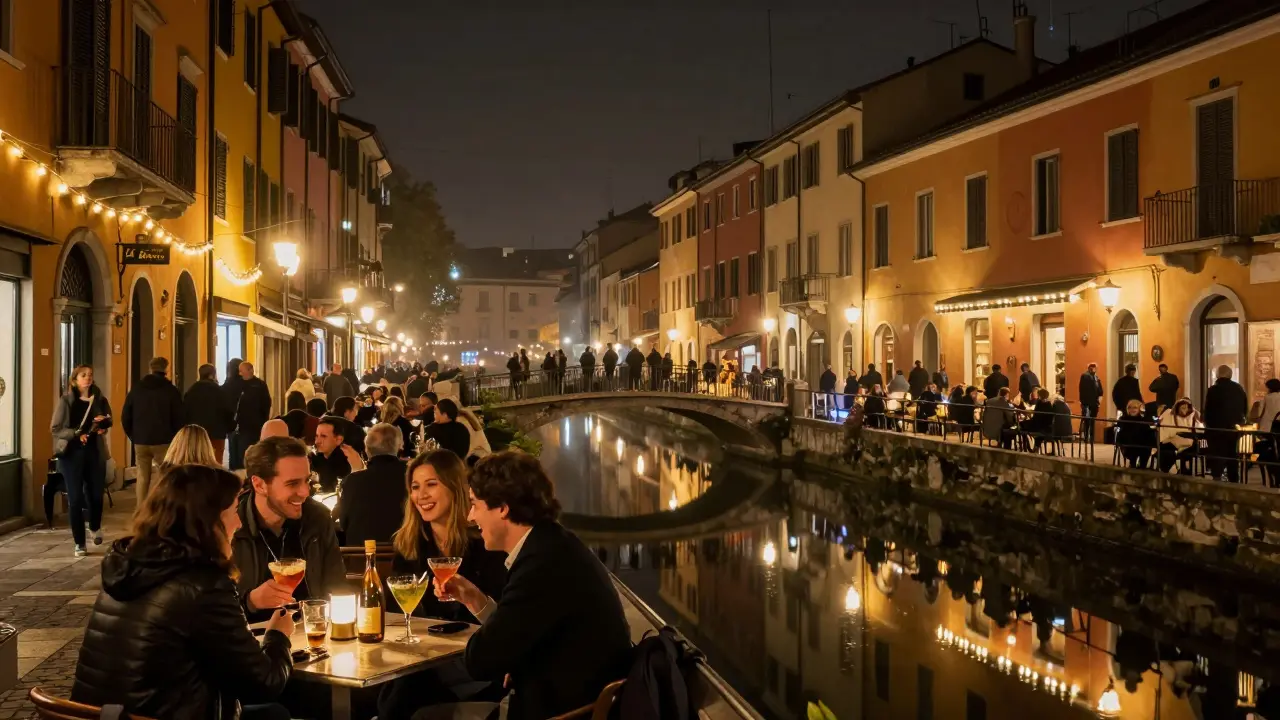
Milan doesn’t sleep when the sun goes down. While most tourists think of fashion shows and Renaissance art, the real heartbeat of the city kicks in after 10 p.m. You won’t find strip clubs or tourist traps here-just a raw, stylish mix of hidden cocktail lounges, buzzing wine bars, and underground clubs where locals dance until sunrise. If you want to experience Milan after dark like a true Milanese, skip the guidebook lists and follow this real-world map.
Start in Navigli: Where Canals Turn Into Dance Floors
The Navigli district isn’t just pretty canals lined with colorful buildings. By night, it becomes the city’s most alive stretch of nightlife. The area splits into two vibes: the western side near Porta Genova is for craft cocktails and quiet chats, while the eastern end near Darsena turns into a packed, open-air party zone.
Go to La Bicocca-a tiny, no-sign bar tucked under a bridge. They serve 12 different gin tonics, each with house-made botanicals. Try the one with rosemary and juniper. It’s the only place in Milan where you’ll see bankers in suits swapping stories with art students. Don’t expect a menu. The bartender asks what you like, then makes something you didn’t know you needed.
By midnight, walk to Bar del Fico. It’s not a club, but it’s where everyone ends up. Tables spill onto the pavement. Live jazz plays on weekends. Order a Spritz, but ask for it with prosecco instead of sparkling wine. Locals know the difference.
Brera: The Intellectual’s Night Out
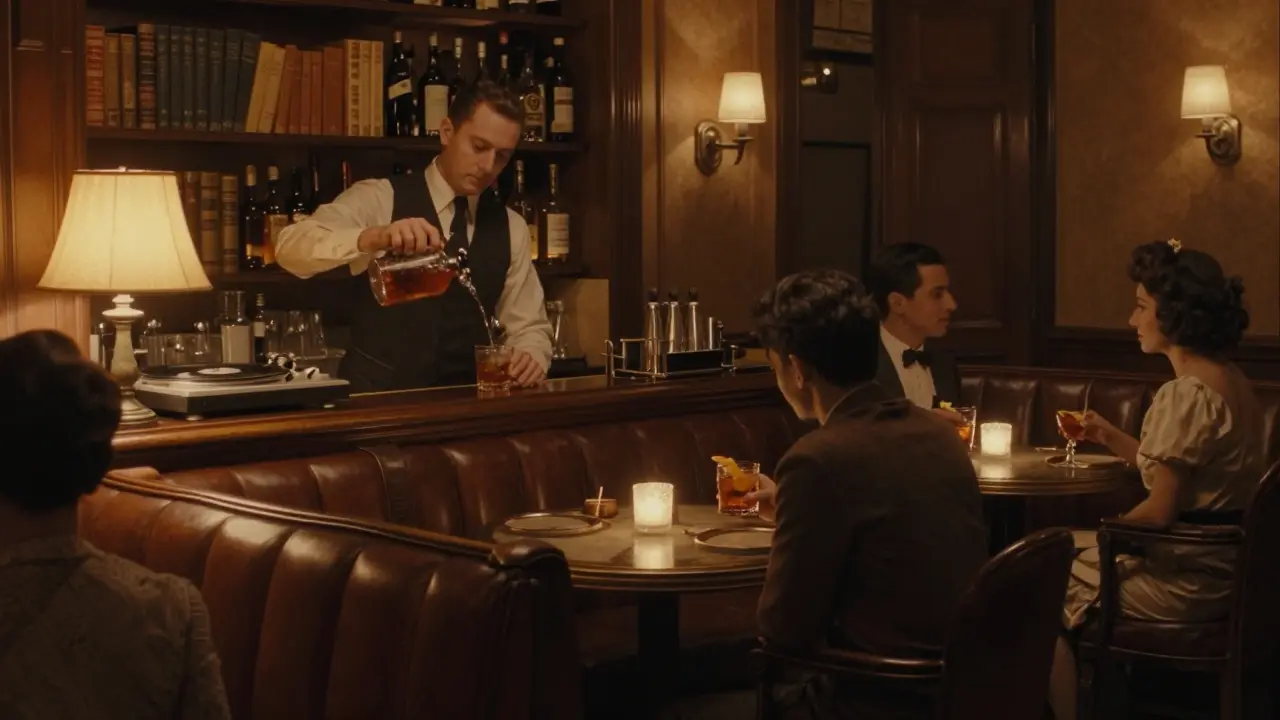
Brera feels like Paris in the 1920s-dim lights, leather chairs, and books on every shelf. This is where Milan’s writers, designers, and professors unwind. You won’t find bass-heavy beats here. Instead, you’ll hear vinyl spinning and quiet laughter.
Bar Basso is the birthplace of the Negroni Sbagliato. Yes, that’s the one with sparkling wine instead of gin. It’s been around since 1967. The same bartender has been working there for 32 years. He doesn’t smile much, but he remembers your name if you come back. Order the classic version-no substitutions. It’s not about the drink; it’s about the ritual.
For something newer, try La Sala. It’s a speakeasy behind a bookshelf in a quiet courtyard. You need to text a number for the code. Inside, cocktails are named after Milanese poets. The lighting is low, the ice is hand-carved, and the conversation stays deep. No phones on the table. That’s the rule.
Porta Venezia: The Wild, Diverse Side of Milan
If you want to see Milan’s real diversity, head to Porta Venezia. This neighborhood is where immigrants, artists, and queer communities blend into one electric night. You’ll find reggae bars next to drag shows, Ethiopian coffee shops that turn into techno clubs, and vegan restaurants serving cocktails made with fermented fruit.
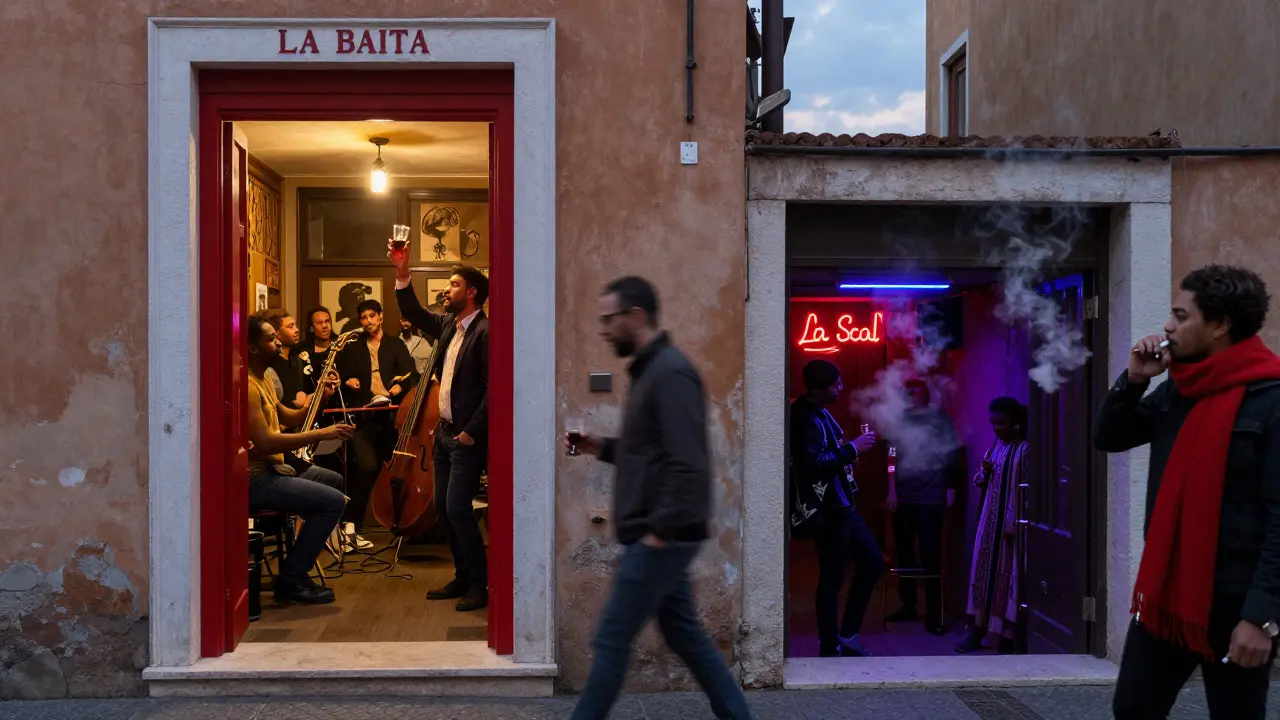
La Baita is a tiny, unmarked spot with a red door. Inside, it’s a mix of a jazz club and a karaoke lounge. The owner, a retired opera singer from Sicily, plays 1970s Italian pop on vinyl. Everyone sings along. No one cares if you’re off-key.
For dance, go to La Scala Club-not the opera house, but the underground spot beneath it. It’s been running since 1988. The music changes every night: Afrobeat on Wednesdays, house on Fridays, experimental electronica on Sundays. The crowd? 70% locals. The drinks? €6 for a beer. No cover charge until 1 a.m.
Corso Como: Where the Elite Go to Be Seen (But Not Too Hard)
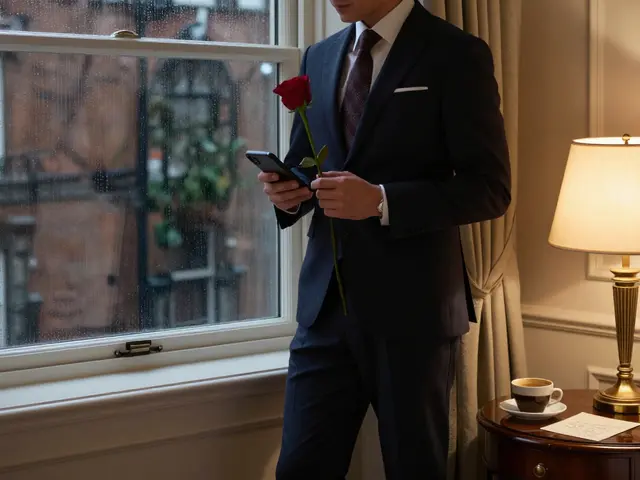
This isn’t for everyone. Corso Como is where Milan’s fashion crowd goes to sip champagne and pretend they’re not there to be seen. But if you’re into design, art, and quiet luxury, it’s worth a visit.
Corso Como 10 is a multi-space venue: a gallery, a restaurant, and a bar that turns into a lounge after 11 p.m. The bar has no sign. You walk through a courtyard with olive trees. Inside, the drinks are named after Italian films. The La Dolce Vita is gin, elderflower, and lemon zest. It tastes like summer in Milan.
It’s not loud. It’s not crowded. But if you want to feel what Milanese elegance looks like at night, this is it. No selfies allowed. The staff will politely ask you to put your phone away.
Where to Go After 3 a.m.
Milan’s night doesn’t end at 2 a.m. If you’re still going, head to La Cucina in the Isola district. It’s a 24-hour diner that opens at 10 p.m. and closes at 10 a.m. The food? Homemade pasta, fried arancini, and espresso that wakes you up without a jolt. The regulars? Taxi drivers, night nurses, and DJs who just finished their sets.
There’s also Bar Berton near Duomo. It’s been open since 1945. The walls are covered in old photos of musicians, actors, and politicians who stopped by. The owner, now in his 80s, still pours the drinks. He’ll tell you stories if you sit still long enough.
What Not to Do
Don’t go to the tourist bars near the Duomo after 9 p.m. They charge €15 for a beer that tastes like soda water. Don’t wear sneakers to a high-end spot like Corso Como. They’ll let you in, but you’ll feel like an outsider. Don’t assume everyone speaks English. Learn to say “Un Aperitivo, per favore.” It opens doors.
And never, ever try to get into a club without dressing well. Milan doesn’t care if you’re rich. It cares if you look like you care. No hoodies. No flip-flops. No baseball caps. A simple dark jacket and clean shoes will get you further than a VIP list.
When to Go
Weekends are packed. If you want space and better service, go on a Thursday or Friday. The real locals don’t start until after midnight. Clubs don’t get busy until 1 a.m. Bars don’t fill up until 10:30 p.m.
Summer nights (June-August) are magical. The canals in Navigli glow under string lights. Outdoor seating fills up. Winter nights are quieter, but the inside bars are warmer, cozier, and more intimate. October through March is when Milan’s nightlife feels most authentic.
Final Tip: The Aperitivo Rule
Don’t skip the aperitivo. From 6 p.m. to 9 p.m., most bars offer a drink (wine, spritz, or cocktail) with a buffet of snacks. It’s not just free food-it’s culture. You’ll get bruschetta, olives, mini sandwiches, and sometimes even pasta. The price? €12-€18. That’s cheaper than dinner. And you’ll meet more people here than in any club.
Some places, like Bar Luce (inspired by a Wes Anderson film), turn the aperitivo into an experience. The snacks are arranged like art. The music is curated. The chairs are vintage. It’s not just a drink. It’s a moment.
Milan’s nightlife isn’t about loud music or flashing lights. It’s about the quiet corners, the shared silence over a perfect Negroni, the laughter that breaks out when someone mispronounces ‘burrata’. It’s about feeling like you belong-even if you’re just passing through.